Web Application Development

icon
What We Do

Custom web application development for US companies

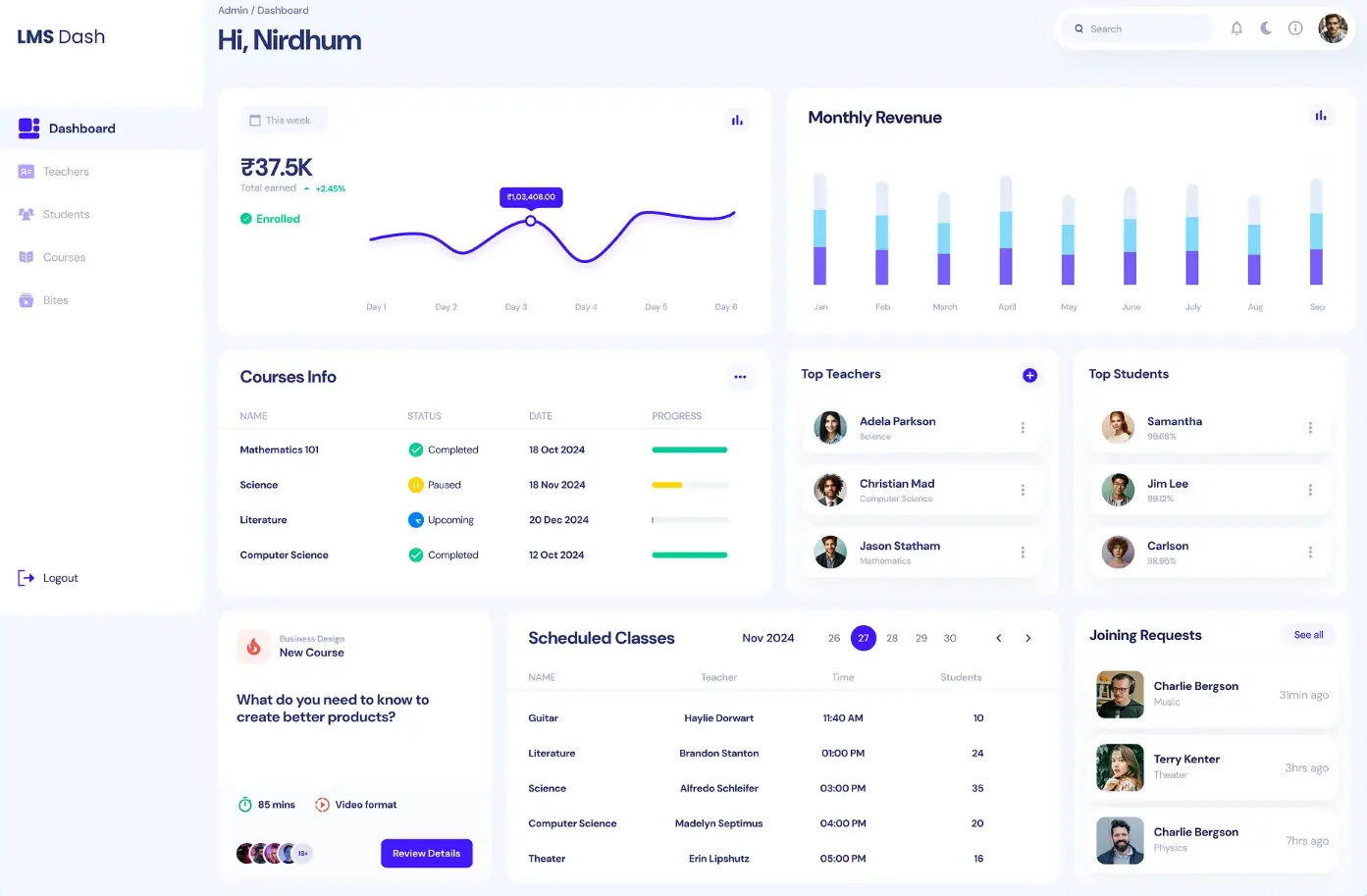
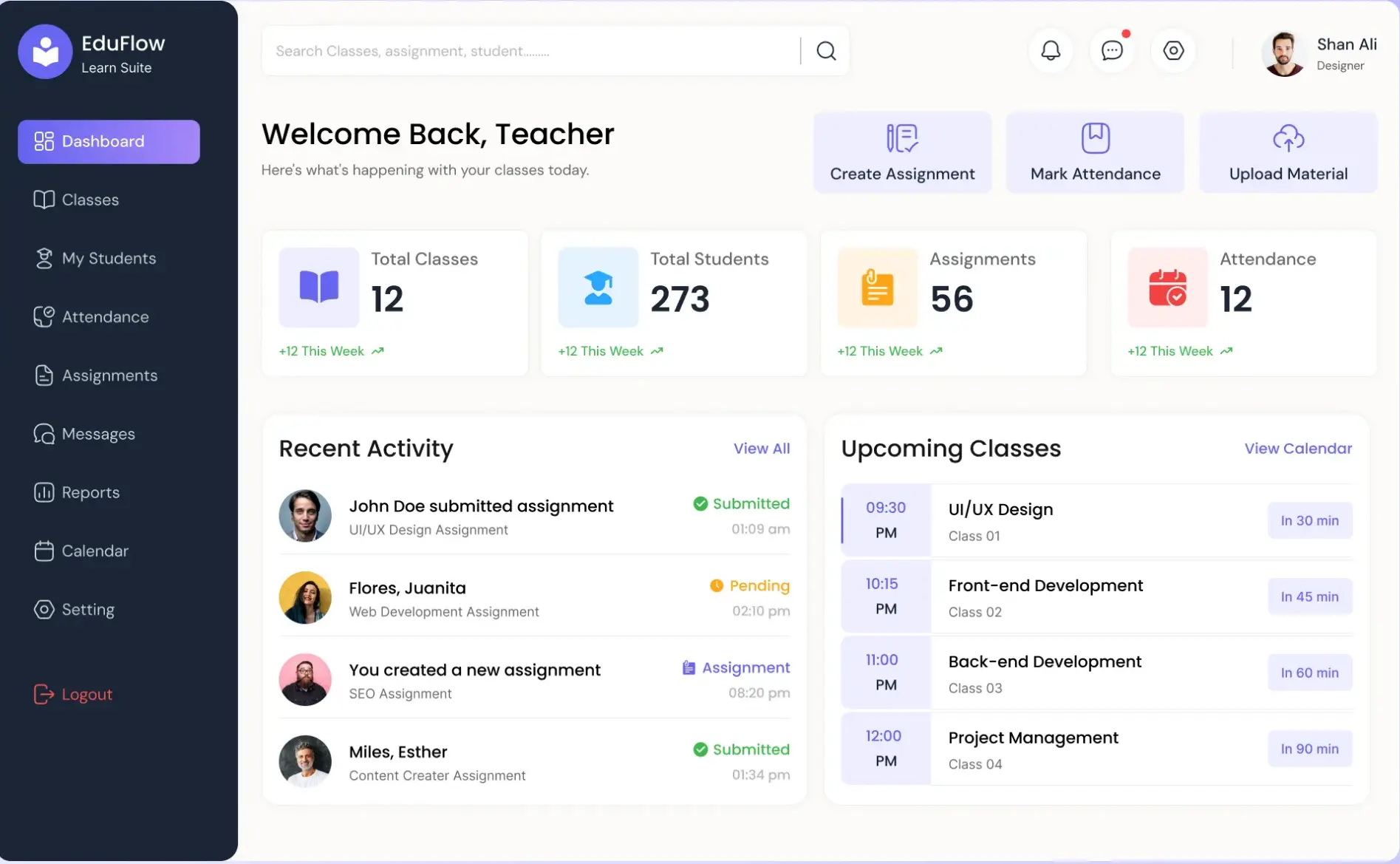
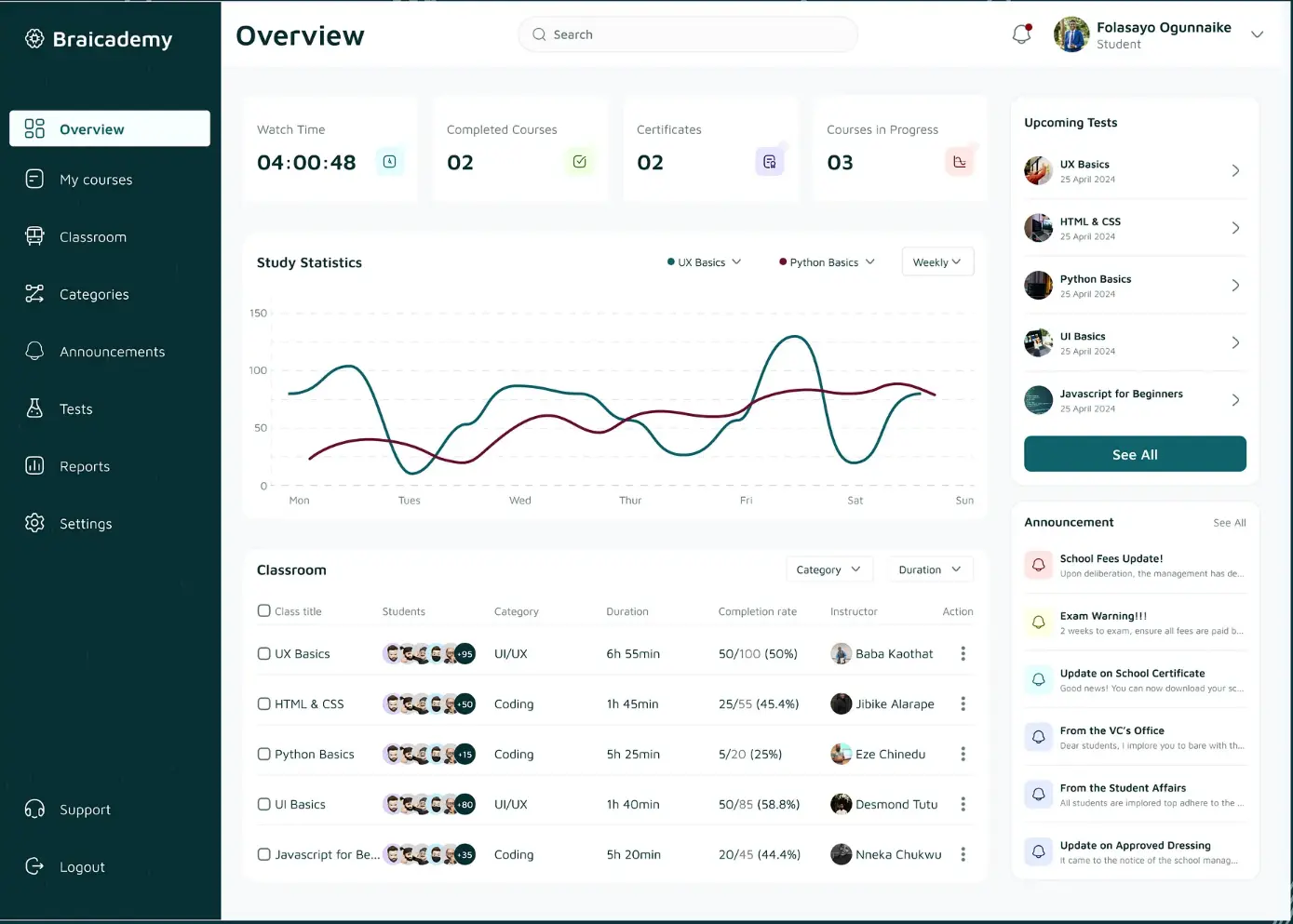
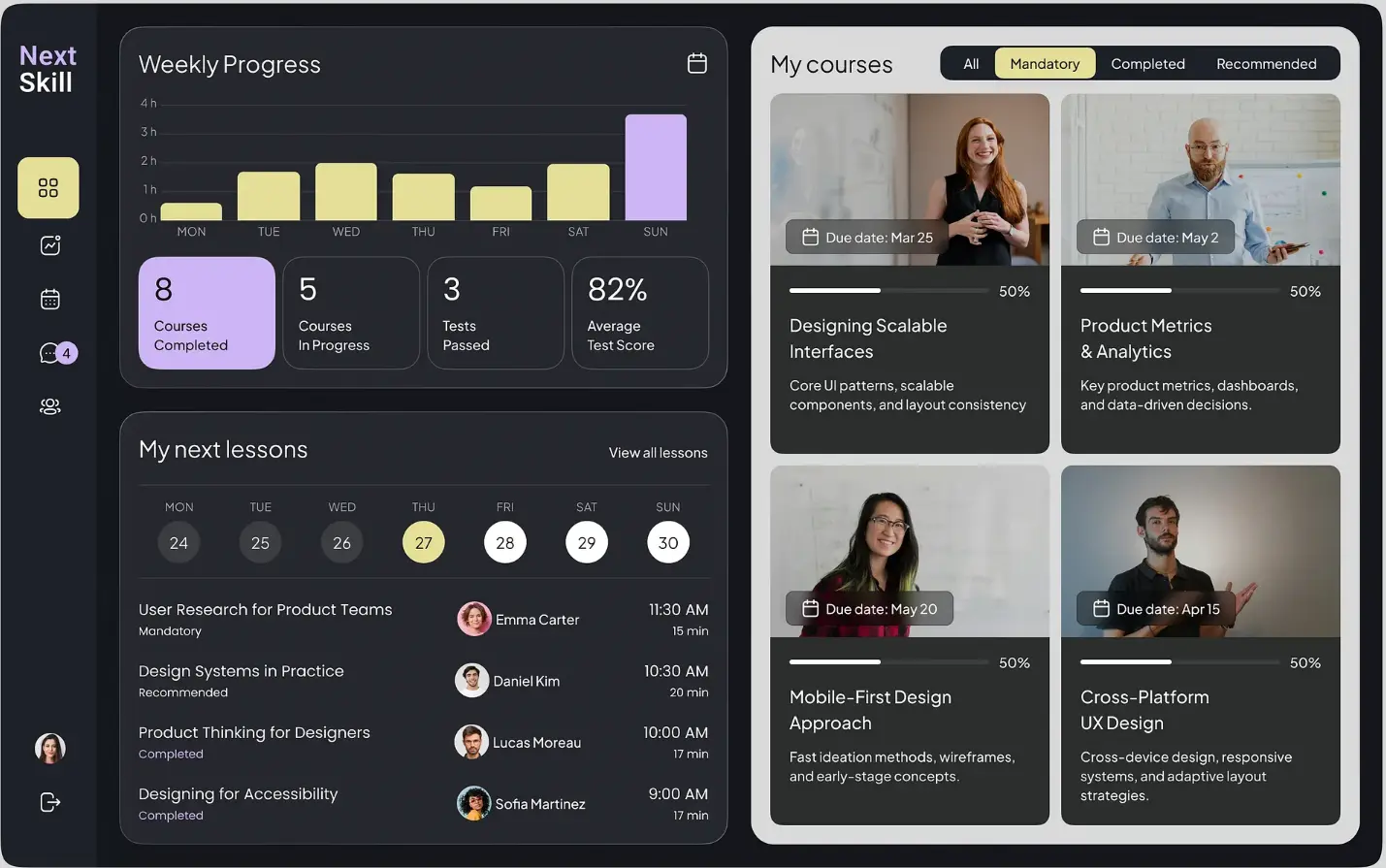
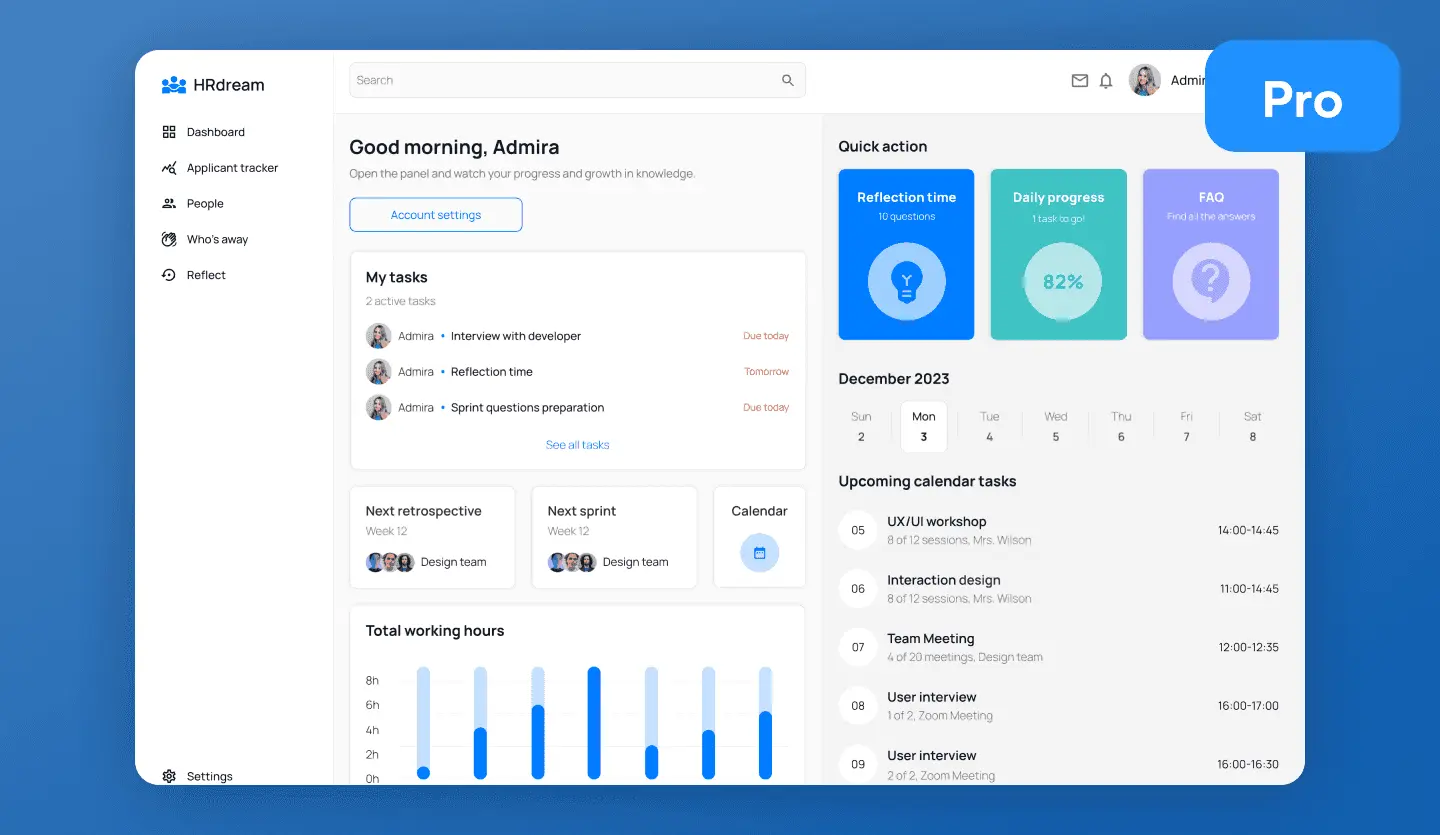
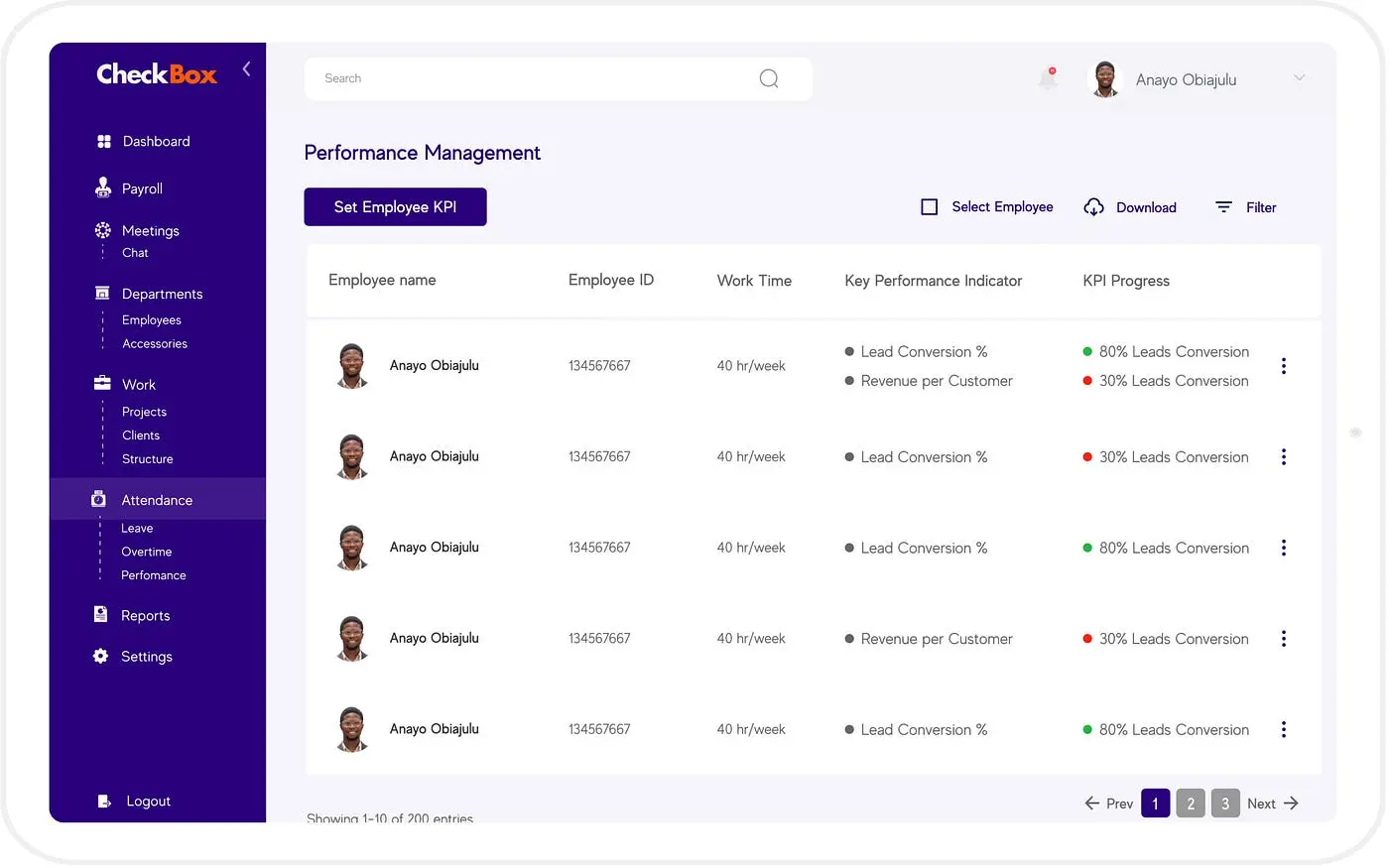
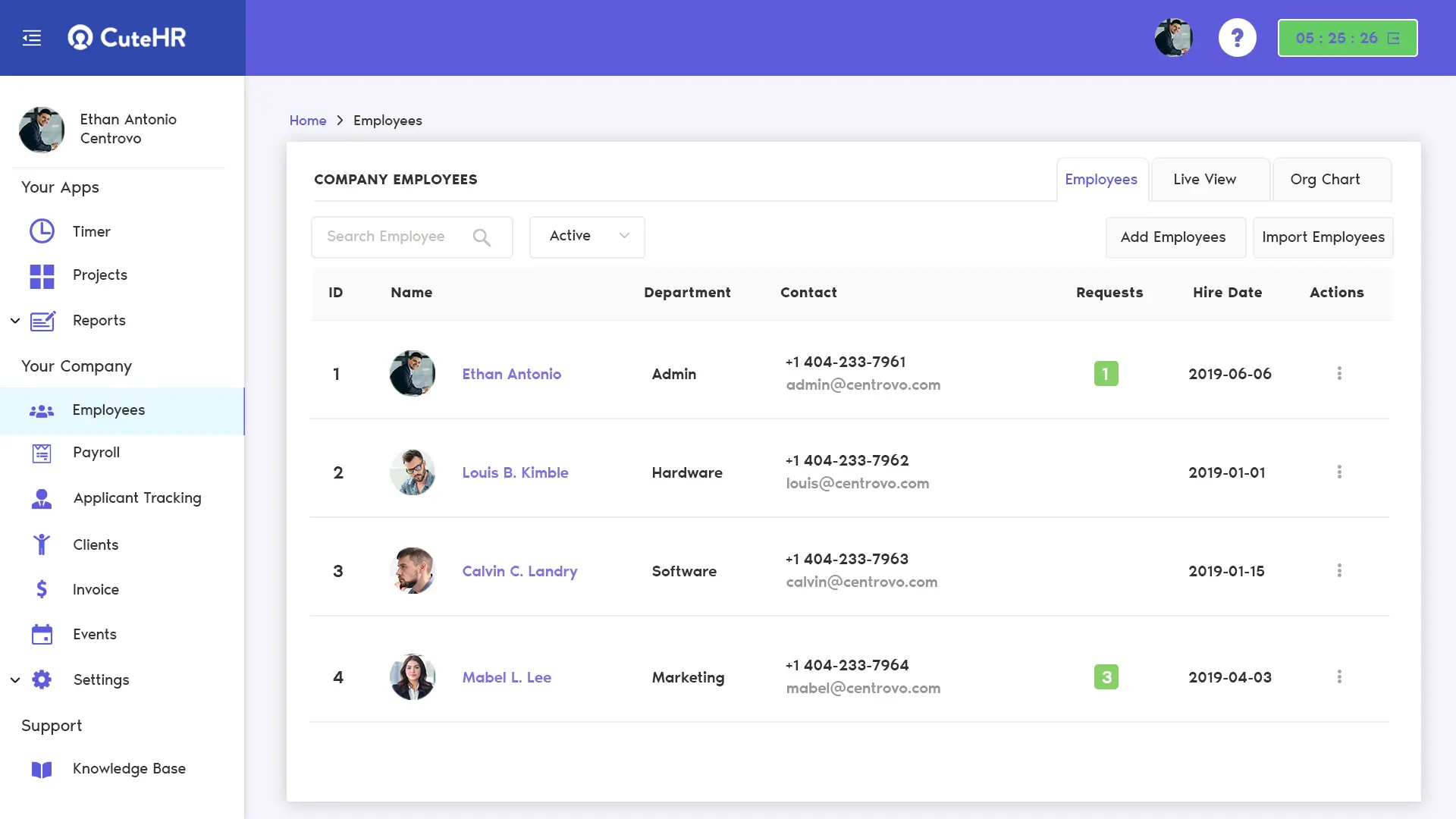
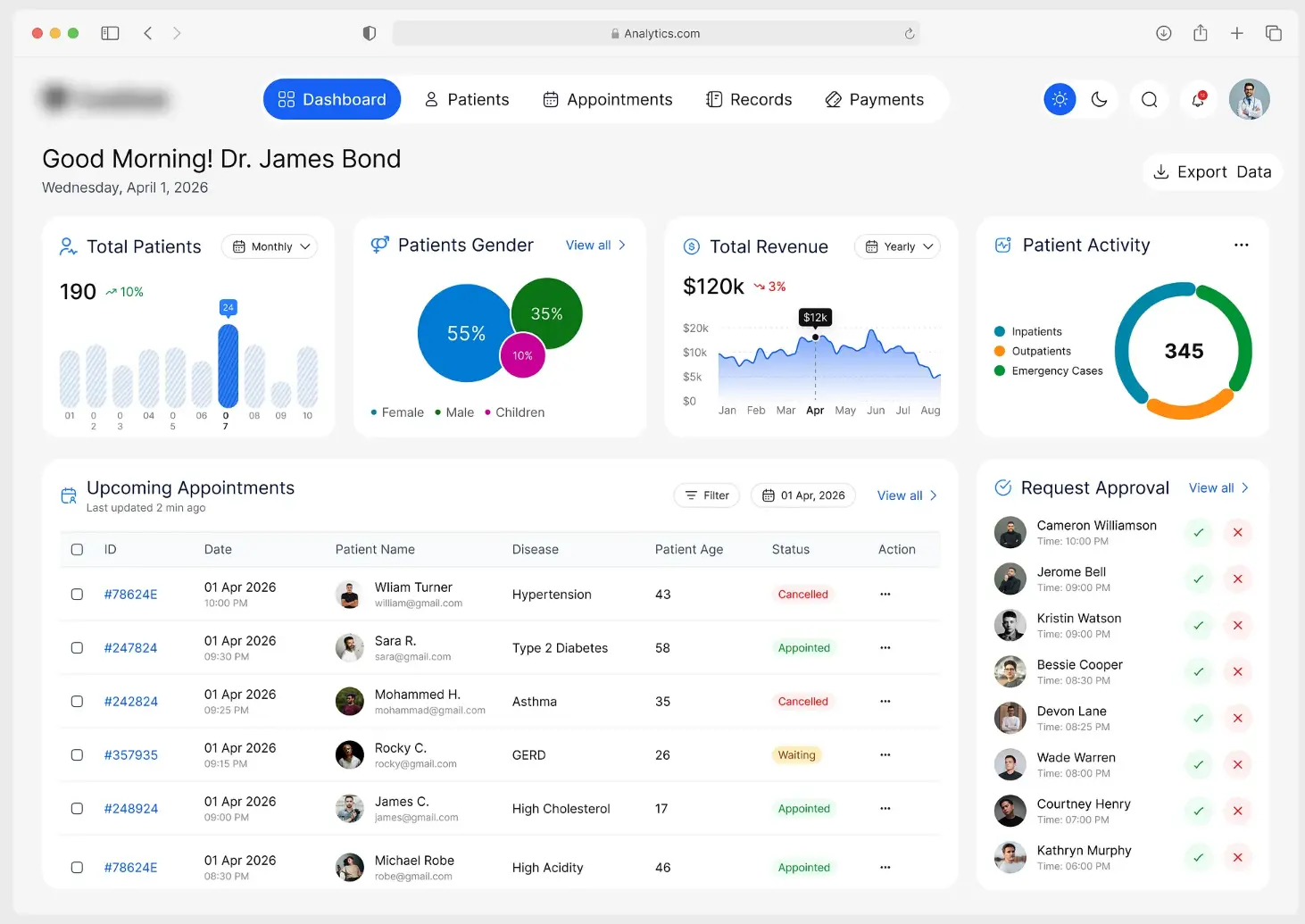
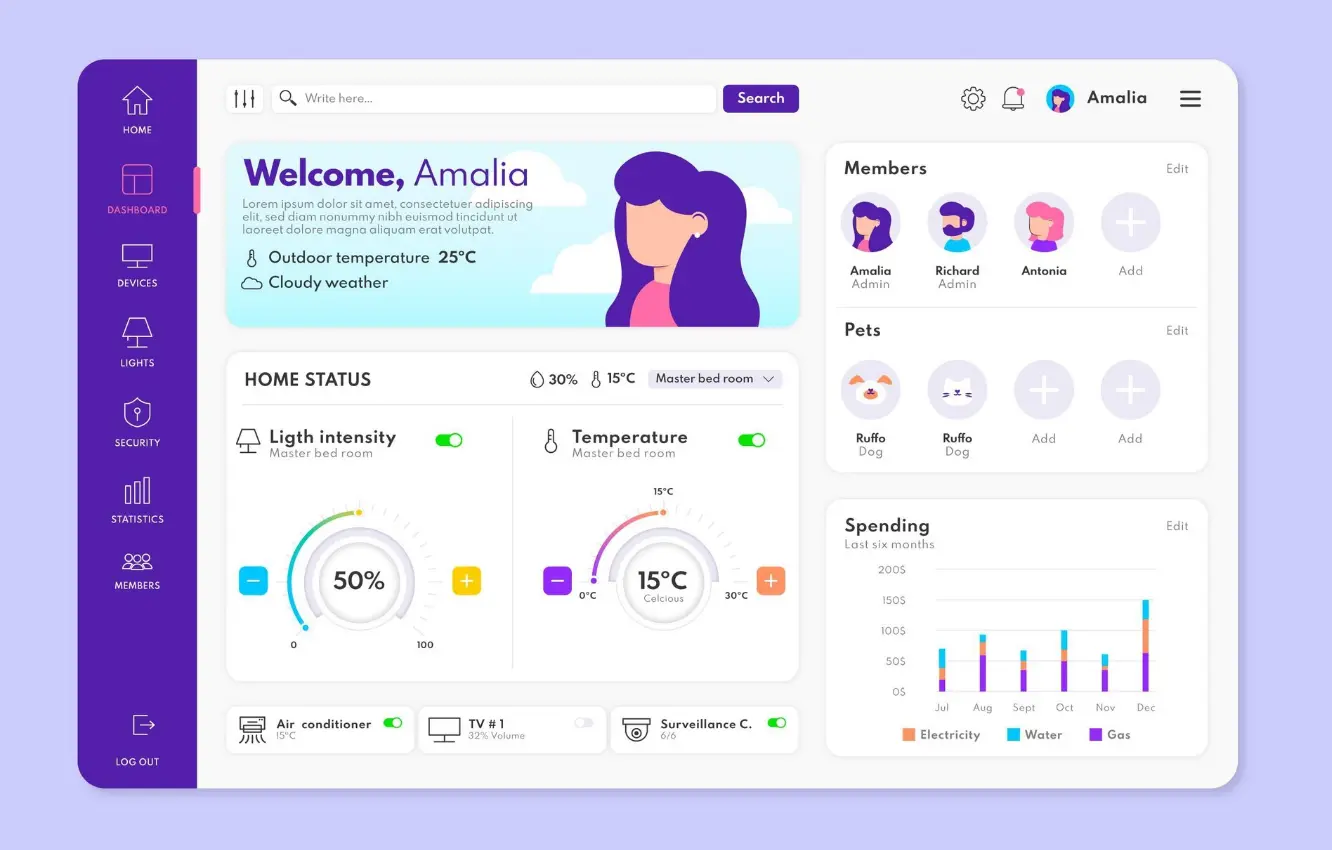
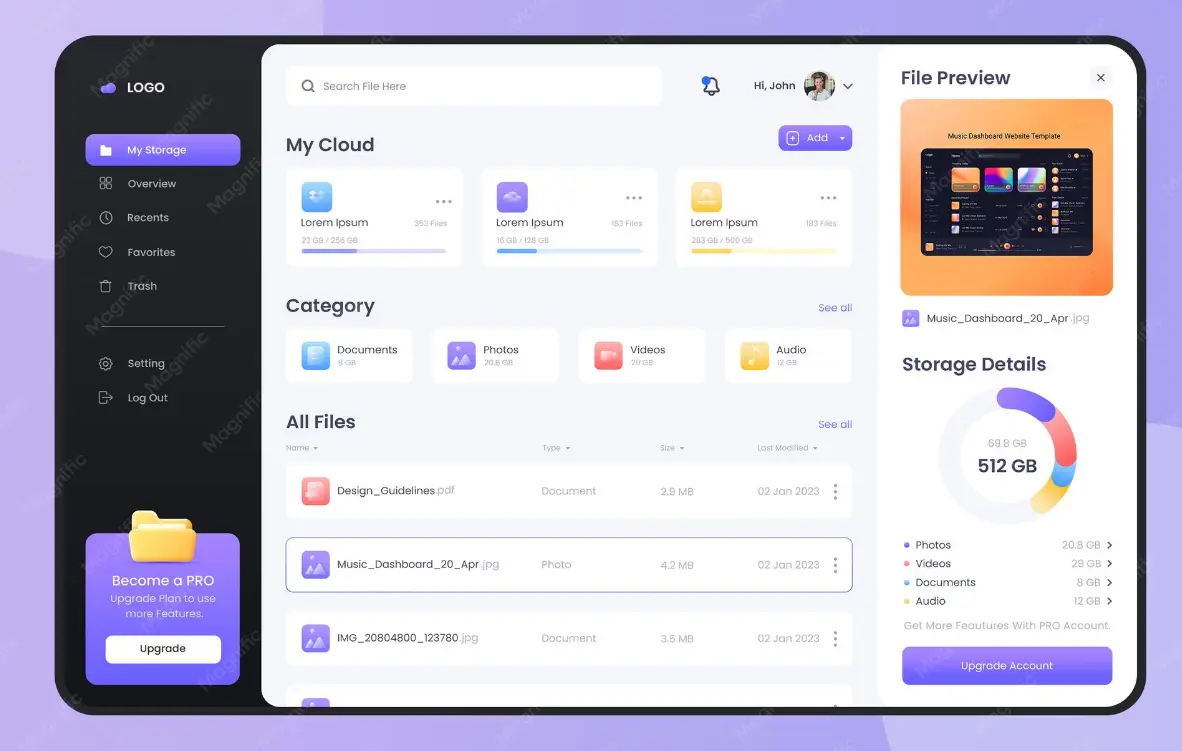
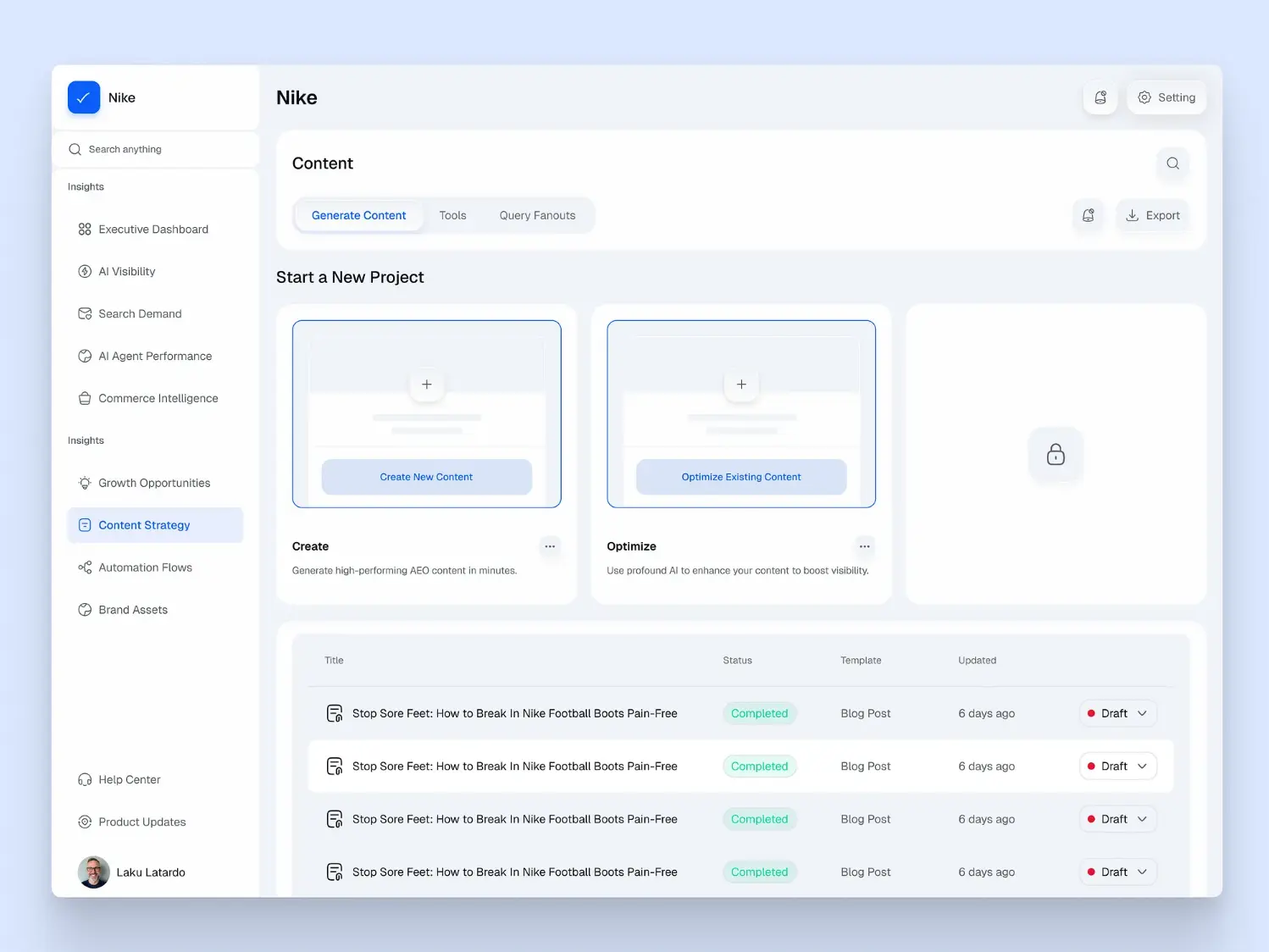
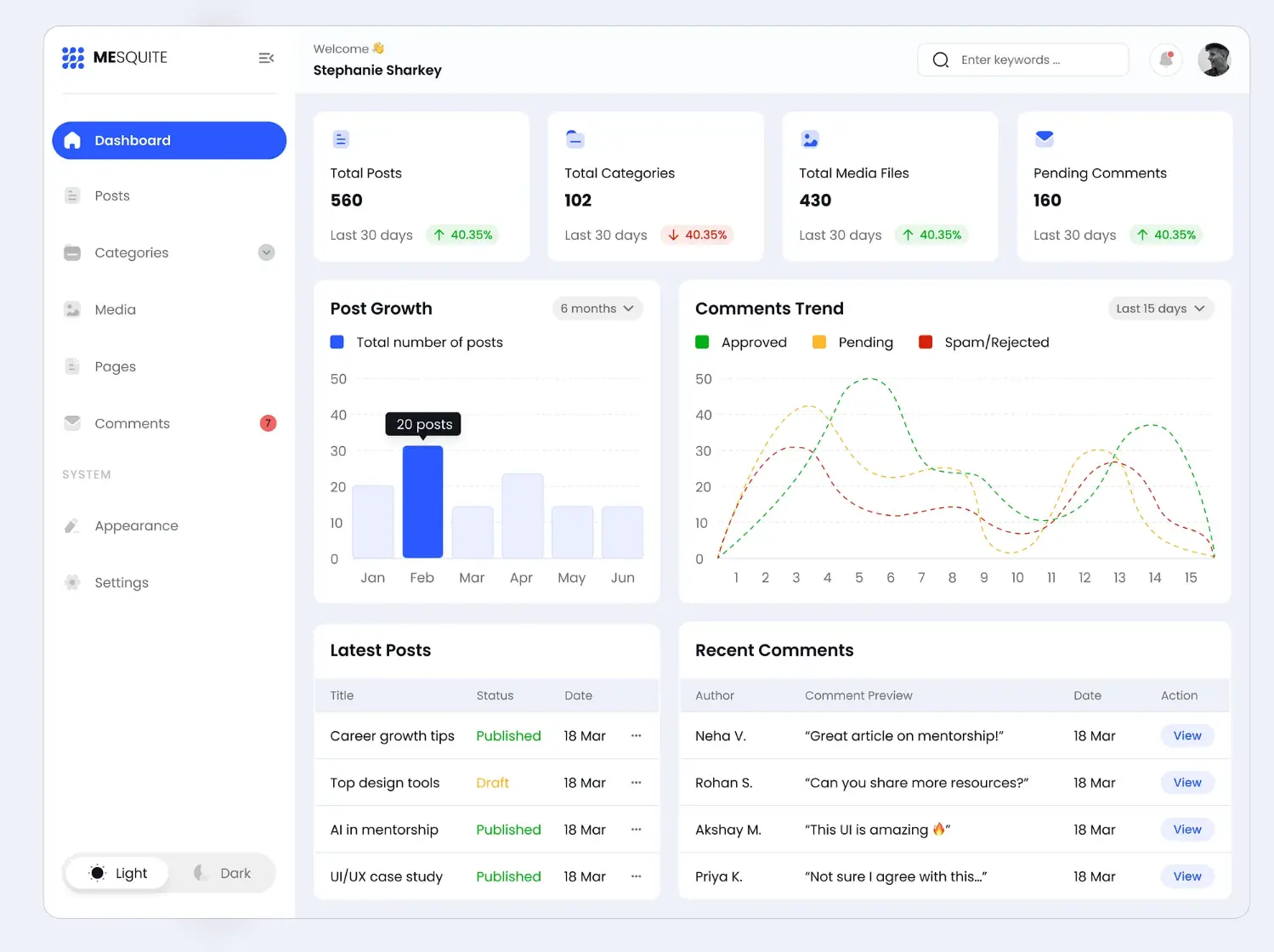
Software that runs in a browser and does real work. Portals your customers log into, tools your staff use daily, products you sell by subscription.

Web Design Alchemy builds web applications in React and Laravel for companies across the USA. We scope it properly, build in two week increments you can use, and hand over documented code with the servers in your name. Most projects start as an MVP covering the one workflow that matters, then grow from what real usage shows.

  • A working demo at the end of every sprint
  • Hosting and repository in your accounts
  • Written handover another team could work from
  • No proprietary framework you cannot leave
icon

If an off the shelf tool already does it, buy the tool

Custom software is worth building when your process is genuinely unusual, when licence fees at your headcount exceed the build cost, or when the workflow is the thing you compete on. It is rarely worth building because an existing tool is missing one feature or looks dated. We have talked several enquiries into a $60 a month subscription instead of a project, and we will do the same for you if that is the honest answer.

icon
Scope

What every build includes

Six workstreams. The first one decides whether the other five go well.

Specification

User roles, permissions, data model and the edge cases nobody mentions until week ten. Written down and agreed before anyone estimates a price.

Architecture

Database design, hosting plan and how the pieces talk to each other. Choices made now decide what it costs to change things in year two.

Interface build

React web application development services producing an interface that stays quick with real volumes of data rather than the twenty rows in a demo.

Backend and data

Database driven web application development with the business logic in the right place, plus api development and integration services for whatever else you run.

Security and permissions

Role based access, audit trails, encryption at rest and the access rules written into the spec rather than added after a client asks about them.

Testing and handover

Automated tests on the parts that matter, a staging environment, and documentation good enough for a developer who has never met us.
icon
Stack

What we build with and why

Boring, well documented technology with a large hiring pool. That matters more than it sounds.

React and Next.js

The front end on most projects. Fast interfaces, a huge ecosystem, and no shortage of developers if you ever bring the work in house.

Laravel

Laravel web application development for the back end. Mature, secure by default, and quick to build the unglamorous parts every application needs.

Node and APIs

For real time features and service layers, plus building the API other systems and your own mobile app will consume.

SaaS products

Saas application development services including multi tenant saas development services with per account isolation, billing and plan limits.

Integrations

Connecting the accounting, CRM and logistics systems you already pay for, so data stops being retyped between them.

Hosting and deployment

Set up in your cloud account with automated deployment, backups and monitoring, then handed over with the runbook.

icon

Start with a paid discovery sprint

Two weeks, and you leave with a written specification, a data model, a screen inventory and a fixed price for the build. It is yours to take to another firm for a competing quote. Continue with us and the fee is credited against the build.

icon
How it runs

Our build process, sprint by sprint

You see working software every two weeks and can stop at the end of any phase.

Stage 1

Discovery

Workshops with the people who will use it. Roles, workflows, data and integrations written into a specification you own.
Stage 2

Architecture

Data model, hosting plan and a phased build order, so the riskiest part is proven first rather than last.
Stage 3

Build

Two week sprints with a demo at the end of each. You use it, comment on it, and priorities can change between sprints.
Stage 4

Test and pilot

Automated tests, a staging environment and a small group of real users before anyone else touches it.
Stage 5

Launch and handover

Deployment, monitoring, training and documentation. Then 30 days of support while people settle into it.

Turn Search Traffic Into Measurable Business Growth

0weeks

Between working demos, every time

Under0ms

Server response on core screens

Automated0

Tests covering payments, auth and permissions

Under0

Setup, deploy and architecture written down

icon
Recent work

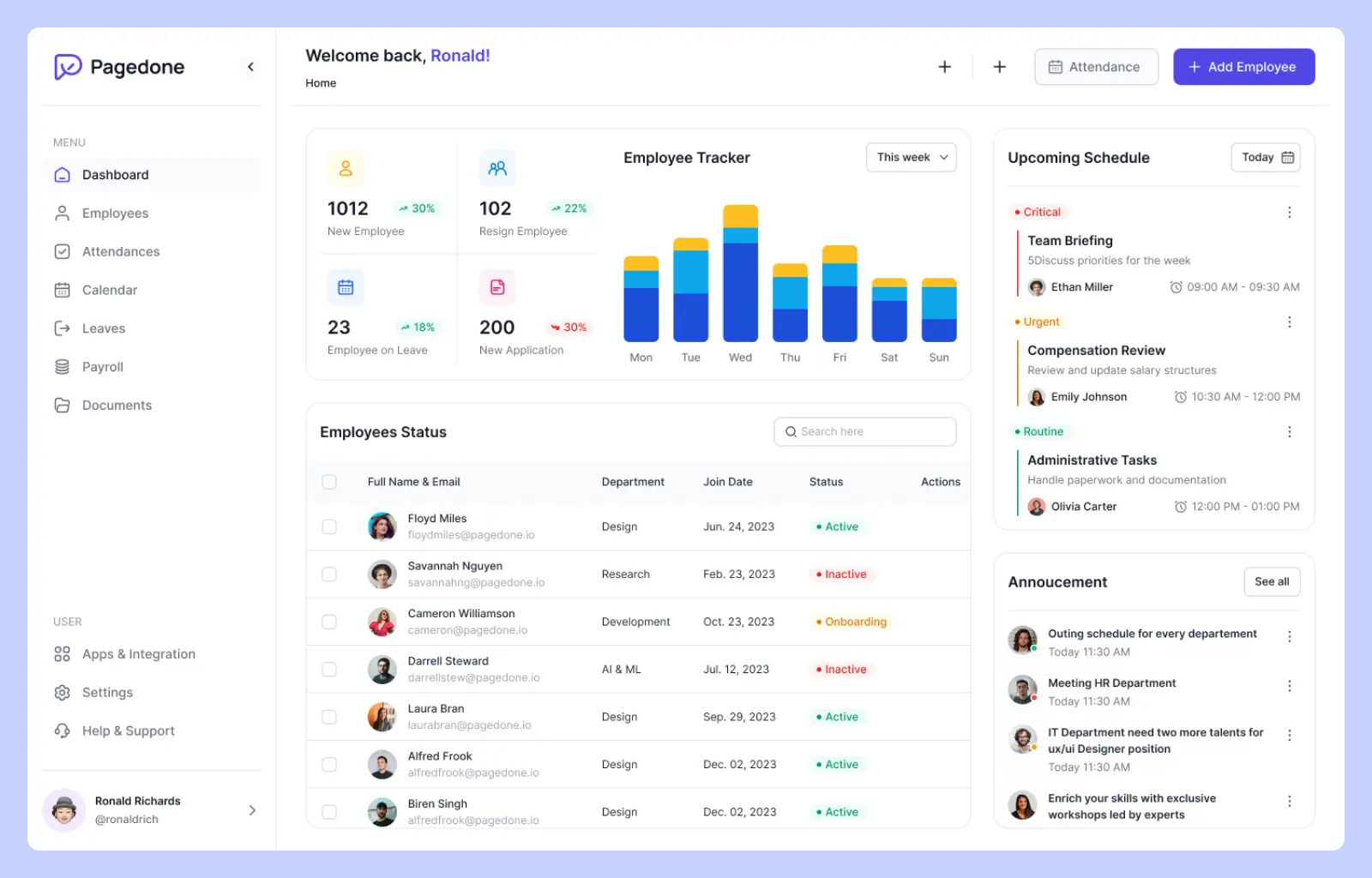
The kinds of apps we build
icon
Questions

Questions founders ask before commissioning an app

How much does a web application cost?

An MVP covering one workflow starts at $18,000 and a full platform at $50,000. Discovery is $3,500 and comes off the build. What moves the number is user roles, integrations and how much of the logic is genuinely unusual, rather than how many screens there are.

Buy, if a tool covers eighty percent of what you need. Build when your process is a competitive advantage, when licence fees across your headcount exceed the build cost, or when no tool handles your workflow without three integrations holding it together. We will give you the honest answer even when it costs us the project.

Ten to twelve weeks for an MVP, twenty or more for a full platform. Integrations with systems you do not control are the usual cause of delay, which is why we identify them in discovery and price the risk rather than absorbing it quietly.

They will, and the sprint structure exists for that. Priorities can be reordered between sprints at no cost. Genuinely new scope gets quoted before it is built, so the budget never moves without you agreeing to it first.

You do, from the start. The repository is yours, hosting sits in your cloud account, and the documentation covers setup and deployment. We do not build on a proprietary framework that only we can maintain.

Can you work with our existing systems?

Yes, and most projects involve it. If a system has an API we integrate with it. If it does not, we will tell you what is possible and what will be fragile, before you plan around it.

Can you take over an application someone else built?

After a code audit, usually yes. We tell you honestly whether it is maintainable, whether a rebuild is cheaper over three years, or whether the original team did solid work and it just needs attention.

If the product needs one, yes, though a well built web application on a phone browser covers more cases than people assume. We would rather have that conversation before you commit to two builds.

Thirty days included on an MVP and ninety on a full platform. After that we quote a monthly retainer based on how much the application changes. Some clients need nothing beyond hosting oversight, others want a steady stream of improvements.